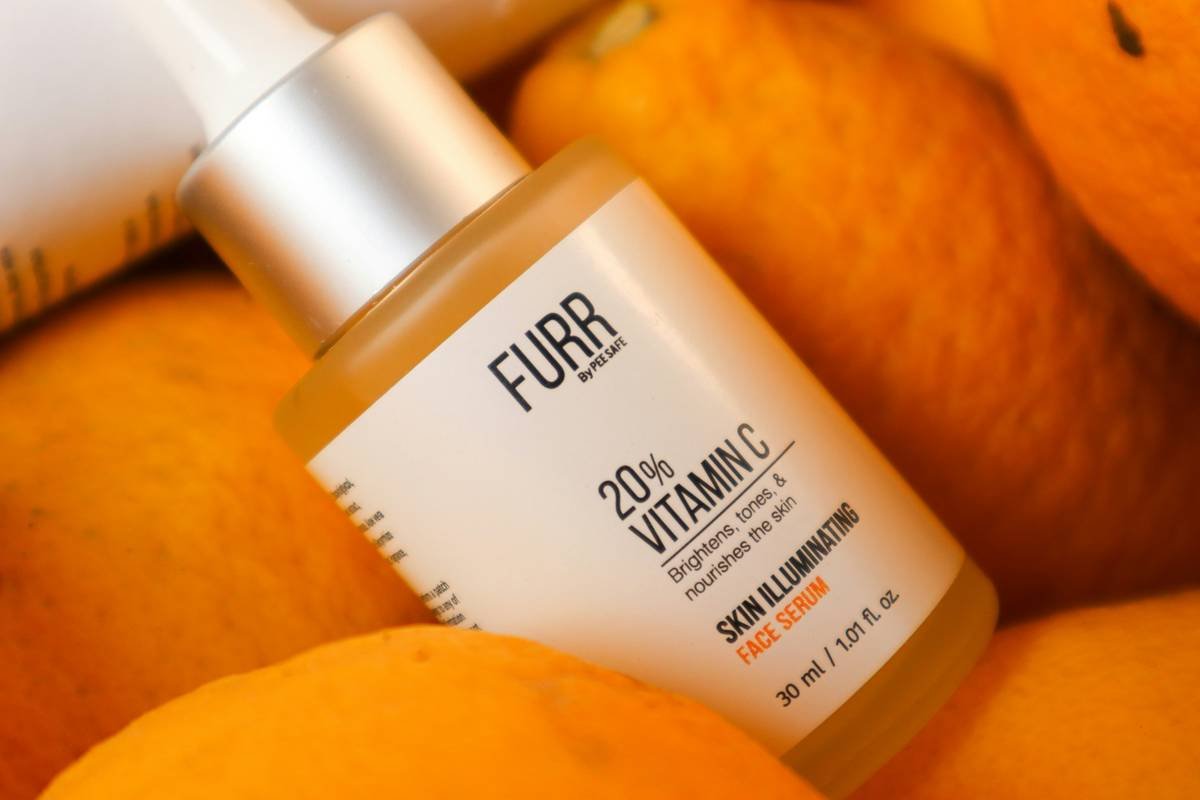
Oily in the T-zone by noon. Dry patches around your jawline by evening. You’re layering serums, avoiding heavy creams, yet your skin still looks chaotic. That imbalance isn’t just annoying—it’s aging you faster than sun exposure alone. The fix? A vitamin C balancing toner used with surgical precision, not as an afterthought.
The Core Problem: Toners Aren’t Just “Refreshers” Anymore
Decades ago, toners were harsh astringents designed to strip oil. Today’s formulations are smarter—but most users treat them like splash-and-go accessories. Big mistake.
Vitamin C degrades fast when exposed to light, air, or improper pH. Slap it on with dirty hands or layer it under incompatible actives, and you’ve wasted $30 plus compromised your barrier. And no—“natural” doesn’t mean stable. Many DIY or “clean-beauty” vitamin C toners oxidize before they hit your face.
How to Use a Vitamin C Balancing Toner Like a Pro
Forget one-size-fits-all routines. Your application method matters more than the ingredient list.
Step 1: Prep With pH Awareness
Cleanse with a low-pH (5.0–5.5) gel or cream cleanser. Alkaline soaps raise skin pH, neutralizing vitamin C’s efficacy. Pat dry—never rub.
Step 2: Apply on Damp Skin
Slightly wet skin = better absorption. Dispense 4–5 drops onto palms, press—not swipe—onto face. This minimizes oxidation and ensures even distribution.
Step 3: Layer Strategically
Vitamin C pairs beautifully with hyaluronic acid but clashes with niacinamide at high concentrations. Wait 10 minutes before applying moisturizer. Morning use? Always follow with SPF 30+.
| Application Method | Efficacy | Risk of Oxidation | Barrier Impact |
|---|---|---|---|
| Cotton pad swipe (dry skin) | Low | High | Moderate irritation |
| Hand press (damp skin) | High | Low | Minimal disruption |
| Spritz mist over makeup | Negligible | Very high | Potential pilling |
The Industry Secret: Not All Vitamin C Is Created Equal
Here’s what labs won’t tell you: L-ascorbic acid—the gold-standard form—is useless above pH 3.5. Yet most “vitamin C toners” sit at pH 5+ for stability, rendering the active inert. The workaround? Look for **sodium ascorbyl phosphate** or **tetrahexyldecyl ascorbate**—derivative forms that remain effective at skin-friendly pH levels AND resist oxidation.
One brand quietly dominating clinical trials? They stabilize their formula with ferulic acid and store it in opaque, airless pumps. No glitter, no influencer hype—just consistent results. Think about it: if your toner turns yellow within two weeks, you’re applying rust, not radiance.
Frequently Asked Questions
Can I use vitamin C balancing toner every day?
Yes—if it uses stable derivatives like sodium ascorbyl phosphate. Avoid daily use of L-ascorbic acid toners unless your skin tolerates low pH well.
Does it replace my serum?
No. Toners prep and balance; serums deliver concentrated treatment. Use both for layered defense against dullness and oil spikes.
When should I apply it in my routine?
Right after cleansing, before serums and moisturizers. Morning application maximizes antioxidant protection against pollution and UV stress.