
You spend $40 on a “gentle” makeup wipe. Rub until your skin stings. Still find mascara clinging to your lash line the next morning. Sound familiar? Most people treat makeup removal as a chore—something to rush through before bed. But here’s the truth: if you’re skipping or shortcutting this step, no serum, moisturizer, or toner later will save you from clogged pores, breakouts, and dullness. What if your toner for makeup removal wasn’t just a final swipe—but your first real cleanse?
Why Wipes, Water, and Micellar Water Often Fall Short
Makeup isn’t one thing. It’s a cocktail—silicones, waxes, pigments, SPF filters—all engineered to resist sweat, tears, and time. A cotton pad soaked in micellar water might lift foundation, but leave behind waterproof eyeliner like concrete residue. And those “no-rinse” wipes? They smear oils across your face instead of dissolving them.
Here’s the reality: water-based cleansers alone can’t break down oil-soluble makeup. And over-reliance on harsh surfactants strips your barrier, triggering redness and rebound oiliness. You need a strategic two-step: dissolve the makeup first, then cleanse what remains. That’s where a dedicated toner for makeup removal shines—if it’s formulated right.
How to Use Toner for Makeup Removal (The Right Way)
Forget dousing a cotton round and swiping once. Precision matters. Technique matters more.
Step 1: Choose the Right Formula
Not all toners are created equal. For makeup removal, you need one with mild surfactants (like PEG-7 glyceryl cocoate) or solubilizers—not just witch hazel or rosewater. Alcohol-free is non-negotiable unless you enjoy tight, flaky skin by Friday.
Step 2: Prep Your Skin (Yes, Really)
Dampen your face slightly. Dry skin = friction = irritation. A light mist of water helps the toner spread evenly and reduces tugging.
Step 3: Press, Don’t Drag
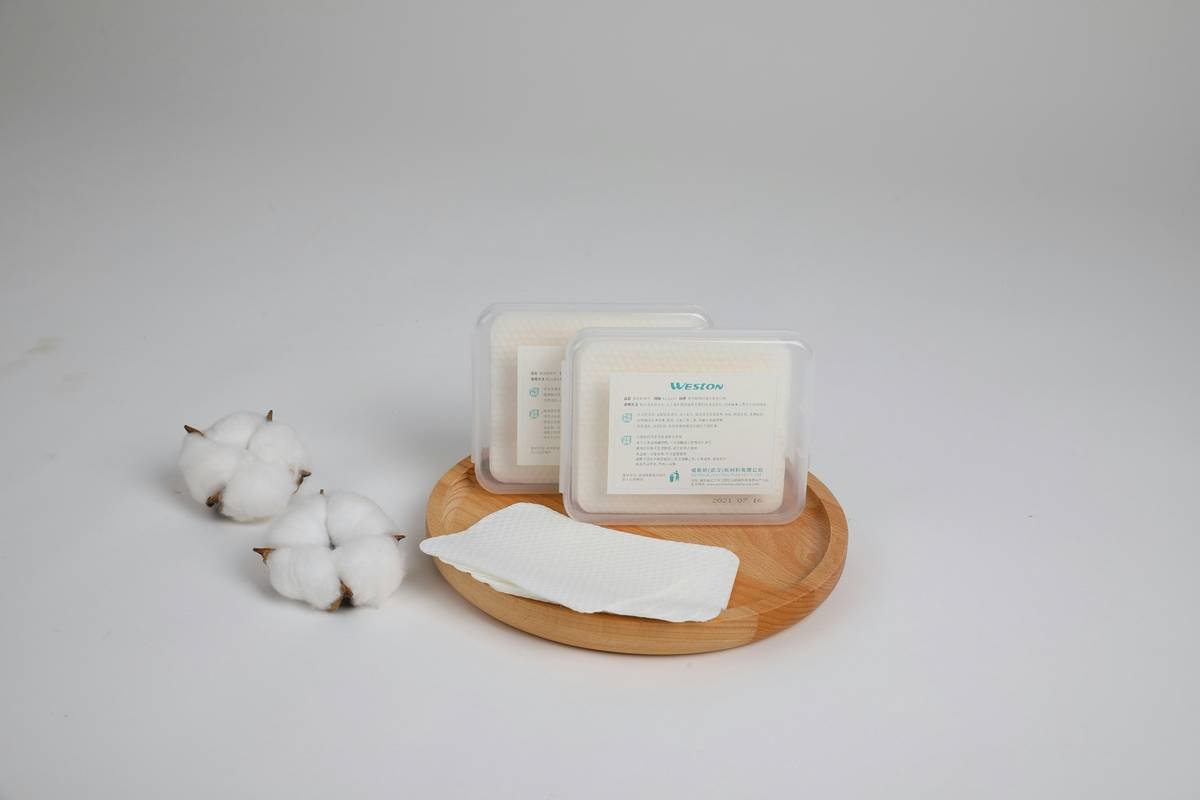
Saturate a soft reusable pad. Press it onto stubborn areas (eyes, lips) for 10–15 seconds. Let the formula do the work. Then gently wipe outward. No sawing motion.
Step 4: Follow With a Cleanser
This toner step removes 80–90% of makeup—but not sebum or pollution. Always double-cleanse. Your skin will thank you.

| Method | Makeup Removal Efficacy | Skin Barrier Impact | Cost Per Use |
|---|---|---|---|
| Disposable Wipes | Moderate (fails on waterproof) | High disruption (alcohol, fragrance) | $0.35–$0.60 |
| Micellar Water + Cotton Pad | Good (struggles with long-wear formulas) | Mild to moderate (can leave residue) | $0.15–$0.25 |
| Cleansing Toner for Makeup Removal | Excellent (with proper technique) | Low (if alcohol-free & pH-balanced) | $0.10–$0.20 |
| Balm/Oil Cleanser (First Step) | Excellent | Low (if rinsed properly) | $0.20–$0.30 |
The Industry Secret: Toners That Double as Pre-Cleanse Solvents
Most brands won’t tell you this—but some cleansing toners are engineered with “oil-mimicking” esters that slip between makeup molecules like a molecular crowbar. Think caprylic/capric triglyceride or polysorbate 20. These ingredients don’t just lift—they encapsulate pigment and silicone so they rinse away cleanly, without emulsifying into a milky mess. And because they’re water-based, they don’t require a second rinse like oil cleansers. Pro tip: apply with hands instead of cotton for heavy stage makeup. The warmth and pressure boost solubilization. Yes, really.
Frequently Asked Questions
Can I use any toner to remove makeup?
No. Standard hydrating or exfoliating toners lack solubilizing agents. They’ll smear makeup, not remove it. Look for labels like “cleansing,” “pre-cleanse,” or “makeup-removing.”
Is toner for makeup removal better than micellar water?
Often, yes—especially if it contains mild surfactants. Micellar water relies on micelles that saturate quickly; cleansing toners often have higher active loads and lower residue.
Do I still need to wash my face after using it?
Absolutely. This step removes cosmetics, not sweat, bacteria, or urban grime. Always follow with a gentle pH-balanced cleanser.