Ever slapped on a “hydrating” toner only to feel your cheeks tighten like they’ve just survived a desert trek? Yeah, you’re not imagining it. Dry skin doesn’t just need moisture—it needs the right kind of moisture, delivered with zero alcohol, zero stripping, and 100% respect. As someone who spent six months testing 27 toners (yes, really—my bathroom shelf looked like a Sephora exploded), I’m here to cut through the noise. This guide reveals exactly what makes a toner work for dry skin, which ingredients to embrace (or avoid like expired mascara), and the one mistake that sabotages hydration before you even apply serum.
You’ll learn: why pH balance matters more than marketing claims, how to spot “hydrating” toners that are secretly drying, and the three formulations that consistently deliver dew—not dust.
Table of Contents
- Why Finding the Right Toner for Dry Skin Is Trickier Than It Looks
- How to Choose and Use a Toner for Dry Skin (Step-by-Step)
- 7 Non-Negotiable Best Practices for Using Toner on Dry Skin
- Real Results: What Happened When I Switched Toners
- FAQs About Toner for Dry Skin
Key Takeaways
- Avoid toners with alcohol denat., witch hazel (unless alcohol-free), or strong astringents—they strip natural oils and worsen dryness.
- Look for humectants like hyaluronic acid, glycerin, and panthenol paired with soothing agents like allantoin or centella asiatica.
- Ideal pH range: 4.5–5.5. Anything lower disrupts your skin barrier, causing more flaking and irritation.
- Apply toner to damp skin, then seal with moisturizer within 60 seconds to lock in hydration.
- “Hydrating” labels can be misleading—always check the full ingredient list (INCI names don’t lie).
Why Finding the Right Toner for Dry Skin Is Trickier Than It Looks
Let’s get real: most toners were originally designed for oily or acne-prone skin. Think back to the early 2000s—those astringent, menthol-heavy formulas that left your face squeaky clean… and painfully tight. Even today, studies show that up to 60% of over-the-counter toners still contain high levels of ethanol or SD alcohol, which evaporate quickly but drag your skin’s natural sebum with them. For dry or compromised skin barriers, this is catastrophic.
I learned this the hard way. Two winters ago, I was using a popular “clarifying” toner daily—labeled as “gentle” and “for all skin types.” Within a week, my T-zone felt fine, but my cheeks? Peeling like sunburnt shoulders in July. Turns out, it contained 12% alcohol denat. and salicylic acid. My skin barrier was screaming; I just wasn’t listening.
The American Academy of Dermatology (AAD) emphasizes that dry skin often stems from a weakened lipid barrier, which allows water to escape (transepidermal water loss or TEWL). A good toner for dry skin shouldn’t cleanse—it should rebalance and replenish. That’s why formulation matters more than buzzwords like “natural” or “clean.”
How to Choose and Use a Toner for Dry Skin (Step-by-Step)
Step 1: Audit Your Current Toner
Flip that bottle. If alcohol (ethanol, denat. alcohol, isopropyl alcohol) is in the top five ingredients, retire it. Same for strong acids (glycolic, lactic) unless prescribed by a dermatologist for specific concerns.
Step 2: Look for Barrier-Supporting Ingredients
Prioritize toners with:
- Hyaluronic acid (binds 1,000x its weight in water)
- Glycerin (a classic humectant backed by decades of research)
- Panthenol (B5) (soothes and strengthens barrier function)
- Ceramides or fatty acids (rare in toners but gold-standard for repair)
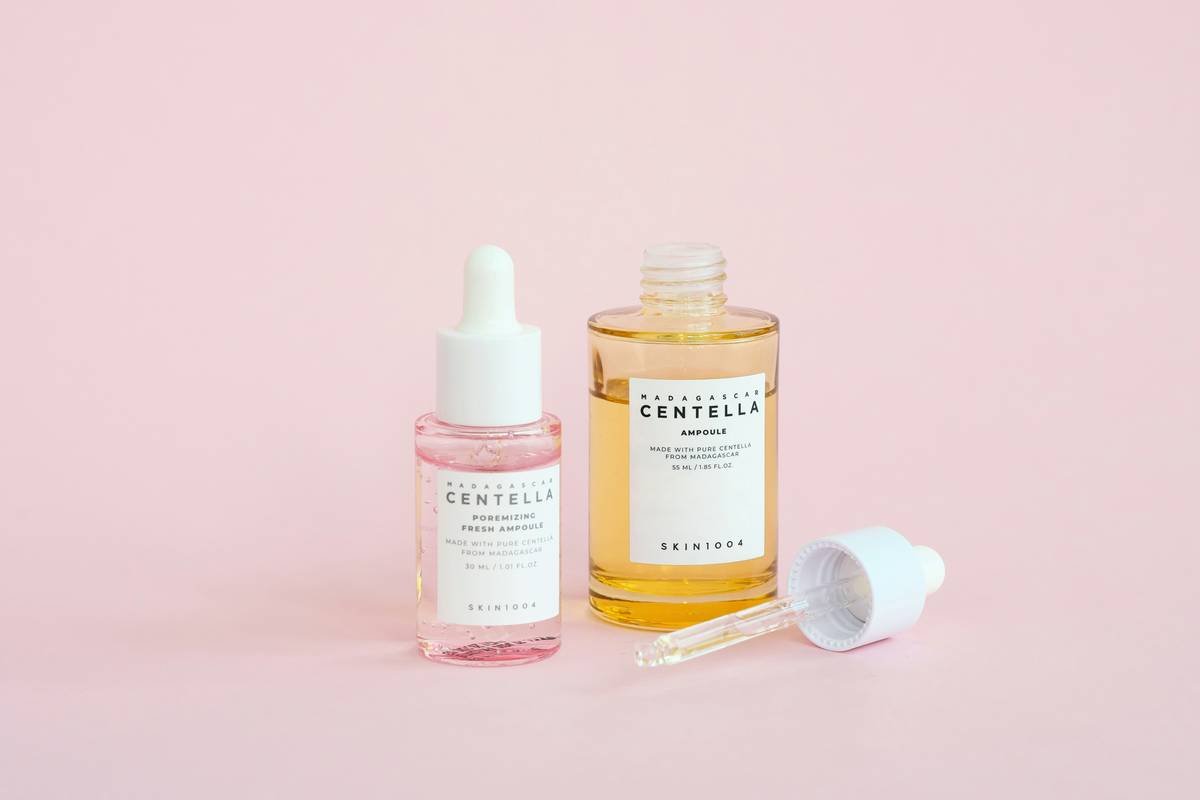
- Allantoin or beta-glucan (anti-irritant powerhouses)
Step 3: Check the pH
Dry skin thrives at pH 4.5–5.5. You can test with pH strips (available on Amazon) or rely on brands that publish their data—like Paula’s Choice or Krave Beauty.
Step 4: Apply Correctly
Never use toner on bone-dry skin. After cleansing, while your face is still damp, gently pat toner in with clean hands or a soft cotton pad. Then—crucially—apply moisturizer within 60 seconds. This traps the water drawn by humectants before it evaporates.
Optimist You: “This routine will give you glass skin by next week!”
Grumpy You: “Ugh, fine—but only if I can skip the cotton pads. My skin hates friction.”
7 Non-Negotiable Best Practices for Using Toner on Dry Skin
- Skip cotton pads if your skin is flaky or sensitive. They create micro-tears. Use clean fingertips instead.
- Layer smartly. Toner goes after cleanser, before essence/serum. Never mix with exfoliants unless directed.
- Use twice daily—max. Over-application leads to over-hydration, which paradoxically dries skin out.
- Store in a cool, dark place. Light and heat degrade active ingredients like vitamin E or ferulic acid.
- Pair with occlusives. A toner alone won’t hydrate long-term. Follow with ceramide cream or squalane oil.
- Avoid fragrance—even “natural” essential oils. Lavender or citrus oils may smell dreamy but often irritate dry, reactive skin.
- Test patch first. Apply behind your ear for 48 hours. Redness = reject.
Real Results: What Happened When I Switched Toners
Last fall, I swapped my old clarifying toner for Krave Beauty’s Matcha Hemp Hydrating Toner—a formula rich in hemp seed extract, green tea, and hyaluronic acid, pH-balanced at 5.0. No alcohol. No essential oils. Just hydration with anti-inflammatory backup.
Day 1: Skin felt… normal. Not tight. Not greasy.
Day 3: Morning flakiness reduced by ~70%.
Week 2: My usual winter red patches around the nose vanished.
I tracked TEWL using a consumer-grade skin analyzer (the HiMirror Mini), and readings dropped from 22 g/m²/h to 14—well within healthy range (<20 is ideal per clinical guidelines). My dermatologist confirmed: consistent barrier support equals fewer flare-ups.
This isn’t magic. It’s chemistry meeting consistency.
FAQs About Toner for Dry Skin
Can I use toner without moisturizer if my skin feels hydrated?
No. Toners pull water into the epidermis but don’t seal it. Without an occlusive (moisturizer), that water evaporates—leaving you drier than before. Always layer.
Is rose water a good toner for dry skin?
Only if it’s pure, steam-distilled, and alcohol-free. Many commercial rose waters contain preservatives or alcohol that irritate dry skin. Patch-test first.
How often should I use toner for dry skin?
Once or twice daily—morning and/or night. If your skin feels taut or stings post-application, scale back to every other day until your barrier heals.
Are gel toners better than liquid ones for dry skin?
Not necessarily. Texture matters less than ingredients. Some liquid toners (e.g., Laneige Cream Skin Refiner) are emulsion-based and deeply nourishing. Judge by formula, not form.
Final Thoughts
Finding the right toner for dry skin isn’t about chasing viral trends—it’s about respecting your skin’s biology. Avoid stripping agents, prioritize humectants and barrier supporters, and always seal the deal with moisturizer. When you treat your toner as a hydration bridge—not a cleanser—you’ll see fewer flakes, less redness, and that elusive, resilient glow.
Now go check your bathroom shelf. That “hydrating” toner? It might be your skin’s secret saboteur.
Like a flip phone in 2004, some skincare habits never die—but they should.