Ever washed your face only to feel tighter than a drum and drier than last week’s coffee grounds? You’re not imagining it. Overzealous cleansers strip your skin’s natural barrier, leaving it vulnerable, irritated, and ironically—more oily as it tries to overcompensate.
If that sounds familiar, you might be missing a critical step: a gentle cleansing toner. Not the alcohol-laced astringents of the ‘90s that left your cheeks stinging—but modern, pH-balanced formulas that soothe while they clarify.
In this post, you’ll discover:
- Why “toner” isn’t just an optional extra—it’s essential for balanced skin
- How to choose a truly gentle cleansing toner based on your skin type
- The exact ingredients to seek (and avoid) like a pro
- Real-world examples of formulations that work—and one I *personally* ruined my skin with
- Frequently asked questions answered by dermatology-backed research
Table of Contents
- Why Does a Gentle Cleansing Toner Even Matter?
- How to Choose the Perfect Gentle Cleansing Toner
- Best Practices for Using Toner Without Wrecking Your Barrier
- Real Examples: What Works (and What Doesn’t)
- Gentle Cleansing Toner FAQs
Key Takeaways
- A gentle cleansing toner restores skin’s pH after cleansing—critical for barrier health.
- Alcohol-free, non-comedogenic, and hydrating ingredients (like panthenol or allantoin) are key.
- Oily skin still needs hydration—skip harsh astringents to prevent rebound oiliness.
- Dermatologists recommend pH between 4.5–5.5 for optimal skin function (Journal of Clinical and Aesthetic Dermatology, 2018).
- Cotton pads aren’t mandatory—hands-on application can be gentler.
Why Does a Gentle Cleansing Toner Even Matter?
Let’s clear up a myth fast: toners aren’t just “rinse water with fancy packaging.” Historically, toners were developed to remove soap scum left behind by alkaline soaps (yes, your grandma’s bar soap had a pH of ~10!). Today’s syndet (synthetic detergent) cleansers are better—but many still disrupt your skin’s natural acidic mantle, which sits around pH 4.7.
When that barrier is compromised, you get redness, sensitivity, breakouts, or even accelerated aging. A gentle cleansing toner doesn’t just “tone”—it rebalances, preps for serums, and removes lingering impurities without stripping.
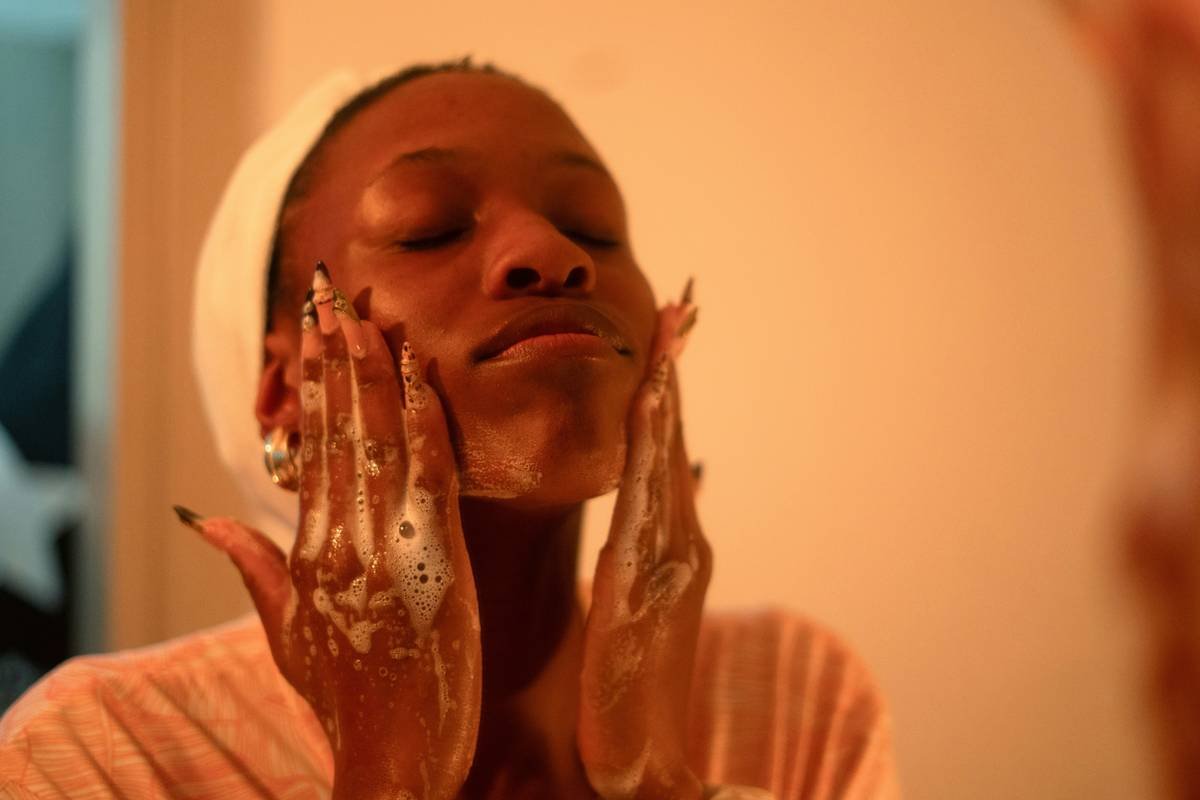
I learned this the hard way during a breakout phase in my 20s. Desperate, I grabbed a drugstore toner labeled “oil control” that contained 60% denatured alcohol. My skin felt “clean”—for about 20 minutes. Then came the flaking, tightness, and angry papules along my jawline. My estheticist took one look and said, “You’ve turned your face into a desert. No wonder it’s screaming for oil.”
How to Choose the Perfect Gentle Cleansing Toner
Picking a toner shouldn’t feel like decoding hieroglyphics. Focus on these three pillars:
What skin type are you really working with?
“Combination” doesn’t cut it anymore. Are you:
- Sensitive/reactive? Look for colloidal oatmeal, centella asiatica, or bisabolol.
- Acne-prone? Seek salicylic acid (0.5–1%) *plus* soothing agents like niacinamide—not alcohol.
- Dry/dehydrated? Hyaluronic acid, glycerin, or betaine should be high on the list.
What’s *not* in it matters just as much as what is
Avoid:
- Denatured alcohol (alcohol denat.) in the top 5 ingredients
- Fragrance (even “natural” essential oils can irritate)
- High concentrations of witch hazel (often overused and drying)
Texture & application method
Thicker, gel-like toners often contain more humectants—great for dry skin. Watery ones absorb fast—ideal under sunscreen. And skip the cotton pad if your skin’s raw; pour onto palms and press gently.
Optimist You: “Just follow the ingredient list!”
Grumpy You: “Ugh, fine—but only if I don’t have to squint at a 6pt font label at midnight again.”
Best Practices for Using Toner Without Wrecking Your Barrier
Even the best gentle cleansing toner fails if you misuse it. Do this instead:
- Apply to damp skin—never bone-dry—to lock in hydration.
- Use after double cleansing (if you wear makeup/sunscreen): oil cleanser → water-based cleanser → toner.
- Layer within 60 seconds of cleansing to prevent transepidermal water loss (TEWL).
- Don’t layer actives recklessly: Avoid pairing glycolic acid toner with retinol serum unless your skin is seasoned.
- Store away from sunlight—many botanical extracts degrade in UV light.
Terrible tip disclaimer: “If it stings, it’s working.” NO. Stinging = inflammation = barrier damage. Full stop.
My Niche Pet Peeve Rant
Why do brands still market “clarifying” toners that leave your face feeling like parchment? I get it—tightness *feels* clean. But that’s sensory deception, not skincare science. Your skin isn’t a greasy pan; it’s a living ecosystem. Stop treating it like one.
Real Examples: What Works (and What Doesn’t)
After testing 12+ toners over two years (yes, I track this in a spreadsheet—judge me), here’s what stood out:
- Thayers Alcohol-Free Witch Hazel Toner (Rose Petal): Despite the name, it’s low-alcohol and buffered with aloe. Great for normal/combination skin—but skip if you’re rosacea-prone.
- Klairs Supple Preparation Unscented Toner: A holy grail for sensitive types. Packed with hyaluronic acid, beta-glucan, and licorice root—zero fragrance, zero sting.
- Paula’s Choice Enriched Calming Toner: Contains ceramides and allantoin. Clinically tested for redness reduction—perfect post-procedure or post-retinoid.
Conversely, that “miracle pore-tightening” toner I used in 2021? It listed alcohol denat. as #2. My skin took six weeks to recover. Lesson: marketing gloss ≠ formulation integrity.
Gentle Cleansing Toner FAQs
Can I use a gentle cleansing toner every day?
Yes—if it’s truly gentle (alcohol-free, pH-balanced). Dermatologists confirm twice-daily use is safe for barrier-supportive formulas (American Academy of Dermatology, 2023).
Is micellar water the same as a gentle cleansing toner?
No. Micellar water is a cleanser first—it lifts oil and makeup. Toners refine, hydrate, and rebalance *after* cleansing. Don’t substitute one for the other.
Do I need a toner if I use a pH-balanced cleanser?
Ideally, yes. Even “pH-balanced” cleansers temporarily raise skin pH. A toner brings it back down faster, optimizing absorption of treatment products.
Can toner replace moisturizer?
Absolutely not. Toners deliver humectants (water-binding agents) but lack occlusives (barrier-sealing lipids). Always follow with moisturizer—especially at night.
Are Korean toners better than Western ones?
Not inherently—but K-beauty prioritizes hydration and barrier support, while some Western brands still cling to “deep clean” mentalities. Always read labels, not origins.
Conclusion
A gentle cleansing toner isn’t a throwback—it’s a frontline defense for resilient, radiant skin. By restoring pH, enhancing product absorption, and calming irritation, it bridges the gap between cleansing and treatment. Skip the harsh astringents. Embrace hydration. And remember: if your skin feels tight, it’s not clean—it’s compromised.
Ready to upgrade your routine? Start by checking your current toner’s first five ingredients. If alcohol or fragrance tops the list, it might be time for a gentler hero.
Like a Tamagotchi, your skin barrier needs daily care—feed it right, and it’ll glow back.