Clogged pores. Breakouts that won’t quit. That greasy midday shine no matte powder can tame. Sound familiar? Most people blame their moisturizer—or worse, their genes. But the real culprit might be what you’re *not* using after cleansing: a targeted toner with salicylic acid. Yet slapping on any old bottle labeled “exfoliating” could sabotage your barrier. Here’s how to get it right—without wrecking your skin.
Why Most Toners Fail (Especially for Acne-Prone Skin)
Conventional toners drown your skin in alcohol or fragrant botanicals that feel “refreshing” but do squat for pore congestion. And many so-called “clarifying” formulas skimp on active concentration—offering 0.5% salicylic acid when you need at least 0.5–2% to penetrate sebum plugs effectively.
Worse? Overuse without pH balancing turns your moisture barrier into Swiss cheese. Redness. Flaking. Reactive breakouts. Not the glow you signed up for.
How to Use a Toner with Salicylic Acid Without Destroying Your Skin
It’s not just about buying the right bottle. It’s about timing, layering, and knowing your skin’s limits. Follow this protocol—backed by derm-formulators who’ve seen every mistake imaginable.
Step 1: Cleanse Smart (Not Hard)
Ditch foaming sulfates. They strip natural oils, forcing sebaceous glands into overdrive. Use a gentle, low-pH cleanser first. Rinse with lukewarm water—never hot. Pat dry. Don’t rub.
Step 2: Apply Your Toner with Precision
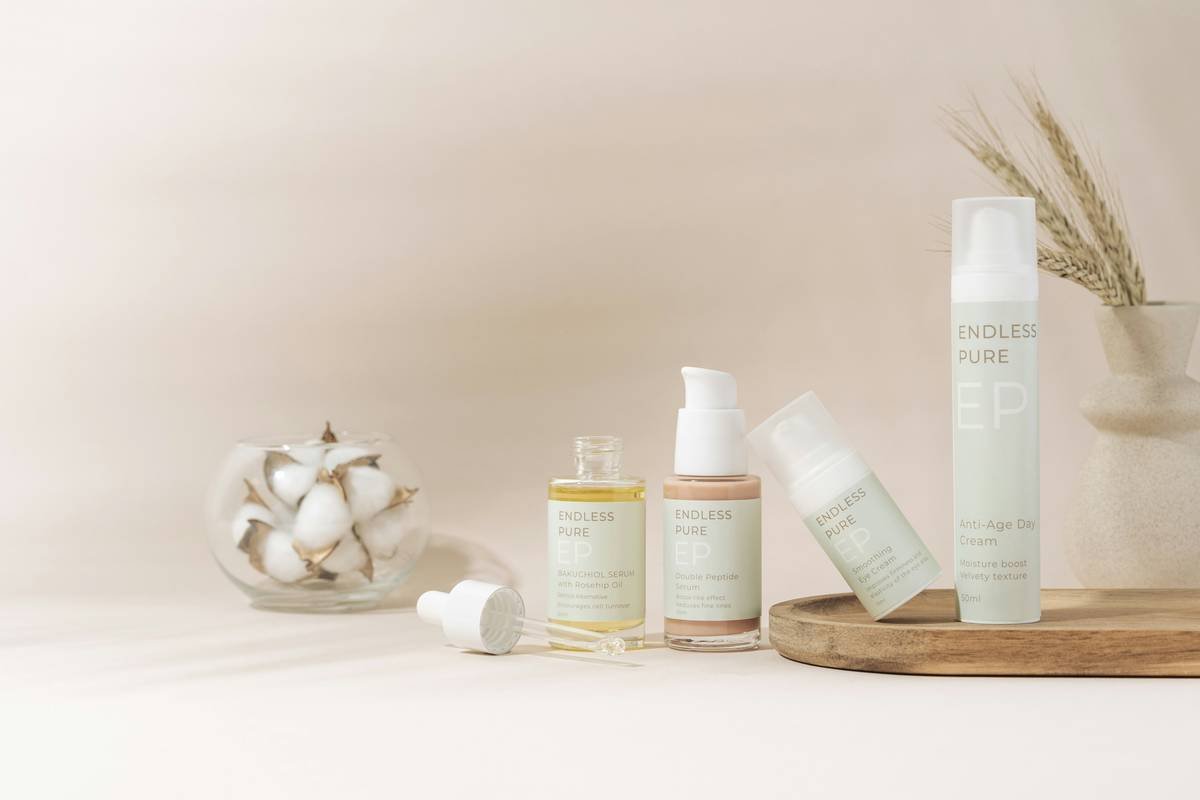
Pour a dime-sized amount onto a cotton pad. Swipe *once* across oily zones (T-zone, jawline). Avoid dry cheeks unless you’re treating full-face congestion. Let it air-dry 60 seconds before next step. No rinsing.
Step 3: Layer Strategically—Or Else
Never follow with vitamin C serums or retinoids in the same routine. The pH clash neutralizes both actives—and irritates. Instead, pair with a hydrating hyaluronic acid serum or ceramide-rich moisturizer to offset dryness.
Frequency Matters More Than You Think
Beginners: 2x/week max. Oily, resilient skin? Maybe nightly—but only if zero stinging occurs. Track reactions in a notes app. If your skin tightens or flakes, dial back immediately.
| Usage Frequency | Skin Type | Expected Result Timeline | Risk of Irritation |
|---|---|---|---|
| 2–3x/week | Dry / Sensitive | 4–6 weeks | Low (if buffered formula) |
| Every other night | Combination | 2–3 weeks | Moderate |
| Nightly | Oily / Acne-Prone | 7–10 days | High (monitor closely) |
The Industry Secret Nobody Admits: pH Is Everything
Here’s what brand labels won’t tell you: salicylic acid only works below pH 4.0. Many toners sit at pH 5.5–6.0—rendering the BHA inert. Lab tests show some “2% salicylic acid” products deliver near-zero exfoliation because their pH is too high.
Want proof? Buy pH strips ($8 on Amazon). Test your toner. If it reads above 4.0, you’re paying for marketing—not chemistry. At promisescreen.com, we formulate all our BHAs at pH 3.5—because efficacy beats aesthetics.
Frequently Asked Questions
Can I use a toner with salicylic acid every day?
Only if your skin tolerates it—start slow. Most benefit from 3–4x weekly. Daily use risks barrier damage, especially in dry climates or winter.
Does salicylic acid toner help blackheads?
Yes—if used consistently and at correct pH. It dissolves sebum and dead cells inside pores, preventing new blackheads and fading existing ones in 3–4 weeks.
Should I moisturize after salicylic acid toner?
Absolutely. Salicylic acid increases transepidermal water loss. Always seal with a non-comedogenic moisturizer to maintain hydration and barrier integrity.