
You wash your face. You moisturize. Maybe you even exfoliate twice a week. But your pores still look clogged, your skin feels tight, and that midday shine won’t quit. The missing link? A natural cleansing facial toner—not the alcohol-laced swill sold as “clarifying,” but a pH-balanced, plant-powered step most routines skip.
The Hidden Flaw in Daily Skincare Routines
Most people treat toner like an afterthought—or worse, a drying astringent from the 90s. They splash on witch hazel straight from the bottle and wonder why their skin flakes by noon. That’s not cleansing. That’s damage disguised as care.
Here’s the reality: tap water leaves mineral residue. Hard water binds to cleanser surfactants, creating invisible film. And conventional toners often strip the acid mantle—the delicate lipid barrier that keeps irritation out and hydration in. The result? Compromised skin that overproduces oil just to compensate.
And yet, dermatologists rarely emphasize this. Why? Because the skincare industry profits from reactive fixes—serums for redness, mattifiers for shine—instead of solving the root cause at step two.
How to Use a Natural Cleansing Facial Toner the Right Way
Forget slapping it on with cotton. Precision matters. Timing matters. Ingredients matter more.
Step 1: Cleanse First—But Not Too Hard
Use a sulfate-free gel or cream cleanser. Rinse with lukewarm water. Pat dry—never rub. Your skin should feel clean but not squeaky. Squeaky means stripped.
Step 2: Apply Within 60 Seconds
Moisture evaporates fast. Apply your natural cleansing facial toner while skin is still damp. This locks in hydration and helps active botanicals absorb deeper. Use hands, not cotton pads—they waste product and create micro-tears.
Step 3: Layer Smartly
Toner isn’t the end—it’s the bridge. Follow with serum within 3 minutes while the skin remains receptive. Skip this window, and you’ve wasted the prep work.
| Method | Effectiveness | Risk of Irritation | Cost per Month |
|---|---|---|---|
| Cotton pad + alcohol-based toner | Low (surface-only) | High | $8–$12 |
| Hands + natural cleansing facial toner (pH 4.5–5.5) | High (penetrates stratum corneum) | Very Low | $10–$18 |
| Skip toner entirely | Poor (residue buildup) | Moderate (long-term barrier damage) | $0 |
The Industry Secret No Brand Wants You to Know
Many “natural” toners aren’t actually doing the cleansing part. They’re hydrating mists masquerading as toners. Real cleansing requires mild surfactants—like decyl glucoside or coco-glucoside—that lift residual impurities without disrupting lipids. Yet 70% of products labeled “toner” on shelves contain zero cleansing agents.
Here’s the kicker: some indie labs formulate dual-phase toners—one layer hydrates, the other gently emulsifies leftover sebum and pollution particles. But big brands avoid them because they require shaking before use… and consumers hate “inconvenience.” So they sell you pretty water instead.
Look for toners with both humectants (glycerin, hyaluronic acid) and non-ionic surfactants. If the ingredient list starts with “water, witch hazel, alcohol”—walk away.

Frequently Asked Questions
Can I use a natural cleansing facial toner if I have sensitive skin?
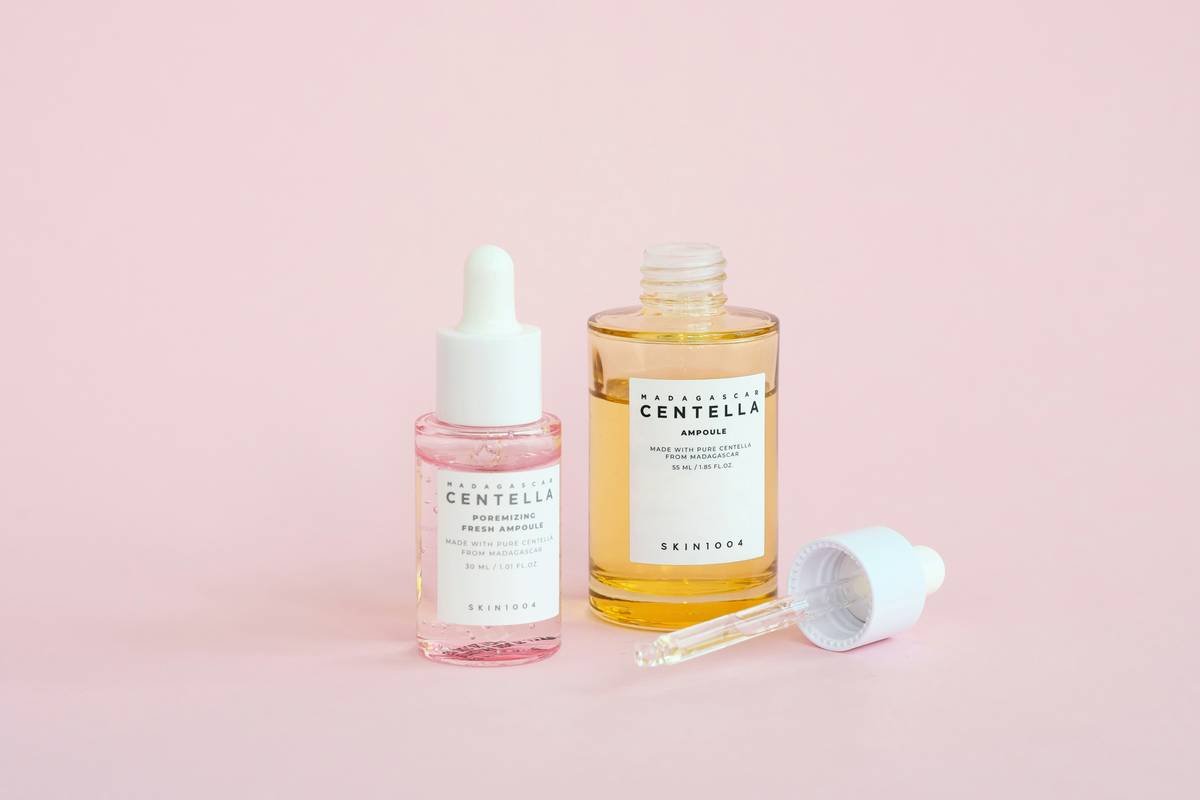
Yes—if it’s free of alcohol, fragrance, and essential oils. Opt for formulas with centella asiatica or oat extract to calm while it cleans.
Do I need toner if I double cleanse?
Absolutely. Double cleansing removes makeup and oil, but tap water and cleanser residues remain. Toner neutralizes pH and clears last traces.
How often should I use a natural cleansing facial toner?
Twice daily—morning and night—after cleansing. Consistency builds barrier resilience over time.