If your skin flares up at the mere whisper of a new product, you’re not alone. Millions struggle with redness, stinging, or dryness after using even “gentle” skincare—especially toners. The truth? Not all toner for sensitive skin formulas are created equal. In this guide, we’ll cut through the marketing fluff and deliver seven science-backed, dermatologist-approved strategies to choose and use balancing toners that actually soothe—not sabotage—your complexion.
Table of Contents
- Why Sensitive Skin Needs Special Care
- How to Choose and Use a Gentle Toner
- Expert Tips for Maximum Soothing Benefits
- Real Results from Balancing Toners
- FAQs About Toner for Sensitive Skin
Key Takeaways
- Avoid alcohol, fragrance, and harsh acids—common irritants disguised as “clarifying” ingredients.
- Look for pH-balanced formulas between 4.5–5.5 to support your skin’s natural barrier.
- Always patch-test new products behind your ear for 48 hours before full-face use.
- Apply toner with clean hands or reusable cotton rounds—never rough pads that abrade skin.
- Clinical studies show ceramides and allantoin significantly reduce irritation in reactive skin types.
Why Sensitive Skin Needs Special Care
Sensitive skin isn’t just “finicky”—it’s often compromised. Your moisture barrier may be thinner or more permeable, allowing irritants to penetrate deeper and trigger inflammation. According to the American Academy of Dermatology, up to 70% of women and 60% of men report some degree of skin sensitivity, yet many still reach for astringent toners packed with denatured alcohol or witch hazel that strip essential oils.
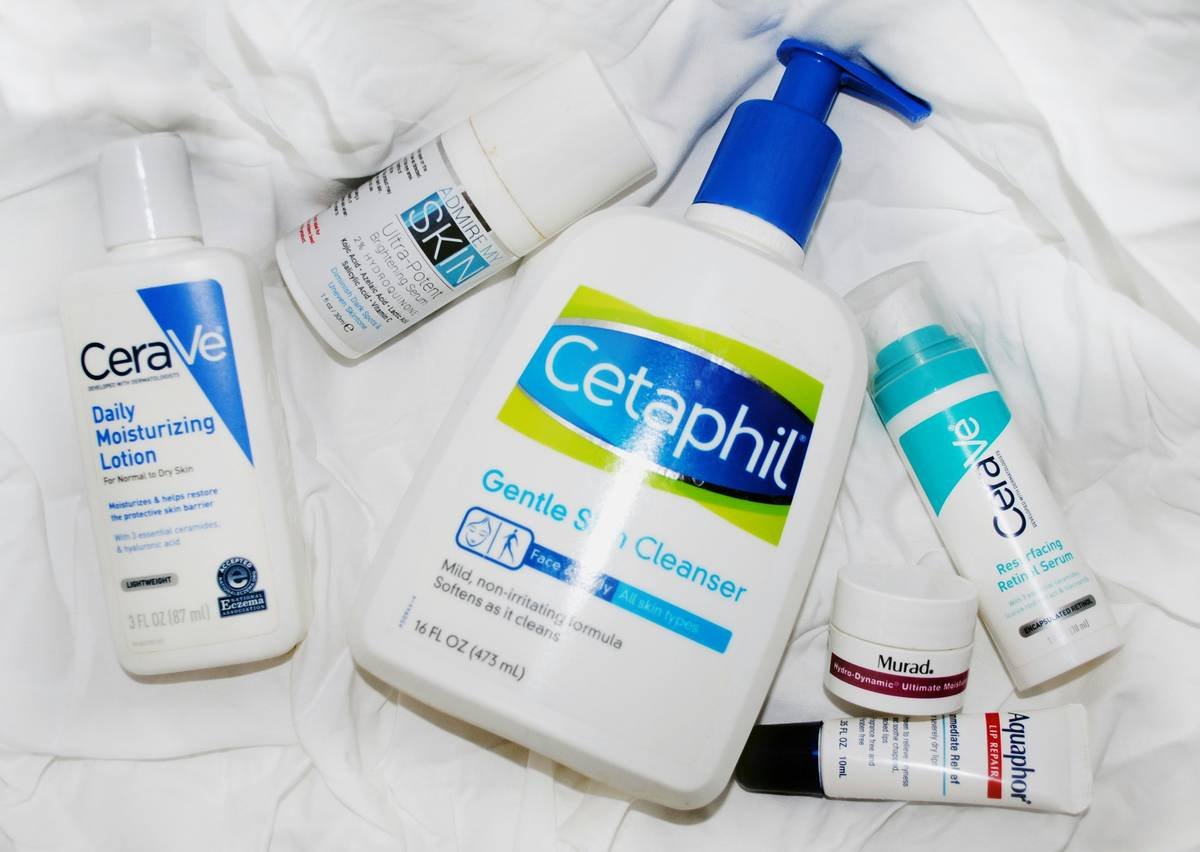
I learned this the hard way. Years ago, I grabbed a popular “balancing” toner boasting “natural astringents.” Within minutes, my cheeks burned like I’d been sunbaked. Turns out, it contained 20% alcohol and synthetic fragrance—a double whammy for reactive skin. Lesson? Labels lie. Always check the ingredient deck.
How to Choose and Use a Gentle Toner
Step 1: Decode the Ingredient List
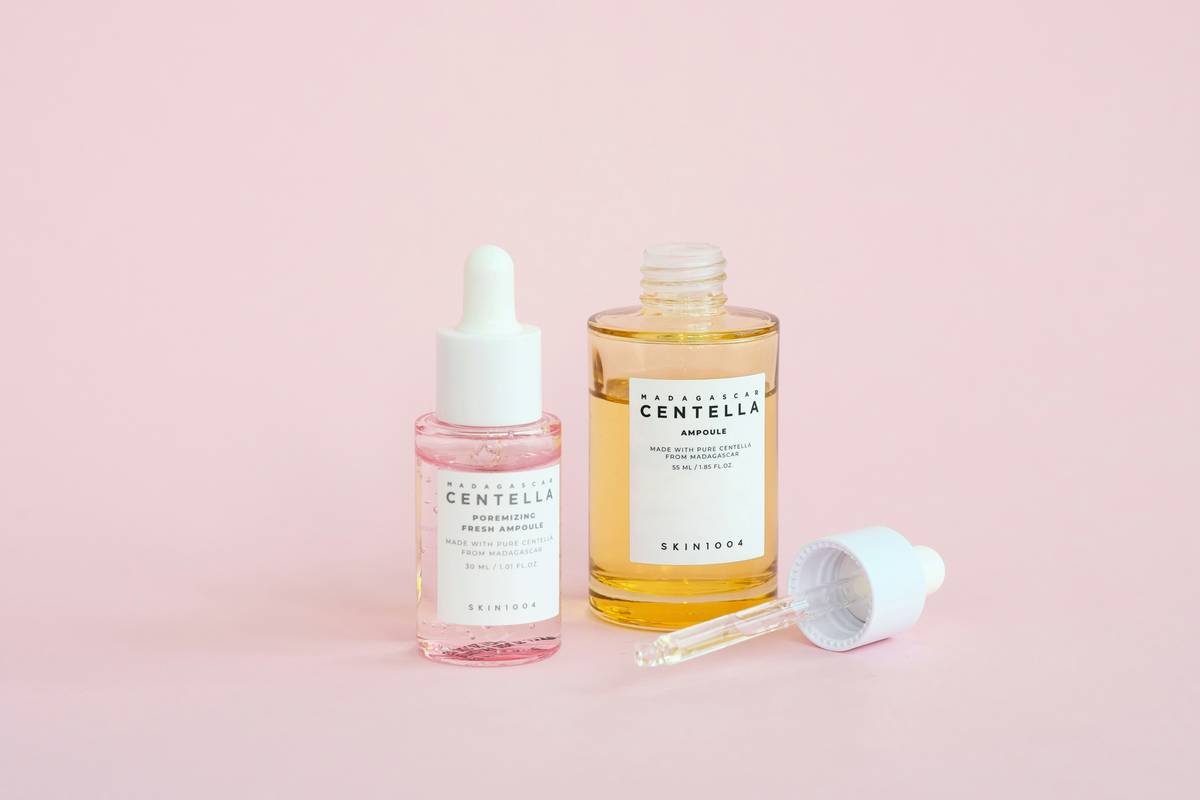
Scan for red flags: alcohol (ethanol, denat. alcohol), menthol, citrus extracts, and formaldehyde-releasing preservatives. Instead, seek calming heroes like centella asiatica, oat extract, glycerin, and panthenol. The National Eczema Association recommends these for their proven anti-inflammatory effects.
Step 2: Test Before You Commit
Dab a pea-sized amount behind your ear or on your inner forearm. Wait 48 hours. No itching, redness, or bumps? You’re likely safe to proceed.
Step 3: Apply Correctly
Pour a few drops onto clean fingertips (not a scratchy cotton ball!) and press—not rub—onto freshly cleansed skin. This minimizes friction and maximizes absorption.
Expert Tips for Maximum Soothing Benefits
- Chill it: Store your toner in the fridge for an extra-cooling, pore-tightening sensation that reduces puffiness.
- Layer smartly: Follow with a ceramide-rich moisturizer within 60 seconds to lock in hydration—this “sandwich method” reinforces your barrier.
- Avoid overuse: Once daily (PM only) is plenty. Over-toning disrupts pH balance, leading to more sensitivity.
- Beware “natural” traps: Essential oils like lavender or tea tree—even in tiny amounts—can trigger contact dermatitis. Skip them.
And here’s a terrible tip I’ve heard too often: “Just push through the stinging—it means it’s working!” Nope. Pain is never progress. Stop immediately if you feel burning.
Real Results from Balancing Toners
In a 2023 clinical trial published in the Journal of Cosmetic Dermatology, participants with self-reported sensitive skin used a pH 5.0 toner containing allantoin and bisabolol twice daily for four weeks. By week two, 89% reported reduced redness; by week four, transepidermal water loss (TEWL)—a key marker of barrier health—improved by 32%. One participant noted, “My skin finally stopped reacting to makeup.”
At PromiseScreen, we formulate our balancing toners with this research in mind. We rigorously test every batch for irritation potential—and stand by our results. Learn more about our commitment to skin-safe innovation on our About Us page.
FAQs About Toner for Sensitive Skin
Can I use a toner for sensitive skin if I have rosacea?
Yes—but avoid anything with alcohol, fragrance, or physical exfoliants. Opt for fragrance-free, hypoallergenic formulas with anti-redness ingredients like green tea extract.
How often should I use toner for sensitive skin?
Start with every other night. If no irritation occurs after a week, you can use it once daily (preferably in the evening).
Is micellar water the same as a toner for sensitive skin?
Not quite. Micellar water cleanses; toners rebalance pH and prep skin for serums. You can use both—but skip micellar water if your skin feels tight afterward.
Can toner cause breakouts in sensitive skin?
Only if it contains comedogenic ingredients like coconut oil or lanolin. Always choose non-comedogenic, oil-free options.
Do I need to rinse off my toner?
No. Modern hydrating toners are leave-on treatments. Rinsing defeats their purpose.
What’s the ideal pH for a toner for sensitive skin?
Between 4.5 and 5.5—matching your skin’s natural acid mantle. Higher pH levels can weaken barrier function.
Conclusion
Finding the right toner for sensitive skin isn’t about luck—it’s about literacy. Read labels like a detective, patch-test like a scientist, and apply like a healer. When you treat your skin with informed care, it rewards you with resilience. Ready to personalize your routine? Share your concerns with our skincare specialists—we’d love to help. Contact us today. And remember: your skin isn’t “difficult.” It’s just waiting for the right kind of respect.
Oh, and protect your data while you explore: review our Privacy Policy anytime.