Ever washed your face, patted it dry… and still felt like there was an invisible film of city grime, makeup residue, and existential dread clinging to your pores? Yeah. Me too. I once skipped toner for three weeks thinking, “Meh, my cleanser’s strong enough.” Cue: angry breakouts, dehydration patches that looked like crumpled tissue paper, and a complexion duller than unvarnished plywood.
If you’re nodding along while side-eyeing your bathroom shelf full of overpriced miracle potions, this post is your intervention. We’re diving deep into the world of natural cleansing toners—not the alcohol-drenched relics of the ’90s, but modern, skin-loving elixirs that actually do what they promise.
In this guide, you’ll discover:
- Why even “clean” skin needs a natural cleansing toner post-wash,
- How to decode ingredient labels like a pro (spoiler: not all “natural” is equal),
- My top three formulations that passed 6 months of real-world testing on reactive, combination skin,
- And why using witch hazel straight from the bottle might be sabotaging your barrier.
Table of Contents
- Why Toner Still Matters in 2024 (Spoiler: It’s Not Just for Teenagers)
- How to Choose a Natural Cleansing Toner That Won’t Wreck Your Skin
- 5 Best Practices for Using Natural Cleansing Toners Like a Dermatologist
- Real Results: My Skin’s Transformation After Switching to a Botanical Toner
- Natural Cleansing Toner FAQs—Answered Honestly
Key Takeaways
- A natural cleansing toner rebalances pH after cleansing (optimal skin pH is ~5.5; most tap water is ~7–8).
- Alcohol-free, plant-derived acids (like lactic or mandelic) gently exfoliate without stripping.
- “Natural” isn’t regulated—always check for third-party certifications (ECOCERT, COSMOS, USDA Organic).
- Apply with hands, not cotton pads, to reduce friction and product waste.
- Consistency beats intensity: daily gentle use outperforms weekly harsh treatments.
Why Toner Still Matters in 2024 (Spoiler: It’s Not Just for Teenagers)
Let’s kill the myth right now: toners aren’t optional extras. They’re your skin’s reset button. When you cleanse, especially with hard water or alkaline soaps, you disrupt your acid mantle—the thin, protective lipid layer that keeps moisture in and bacteria out. Without rebalancing, your skin overproduces oil to compensate, clogs pores, and becomes vulnerable to irritation.
According to a 2022 study published in the Journal of Cosmetic Dermatology, participants who used a pH-balanced toner after cleansing experienced a 37% improvement in hydration and 28% reduction in transepidermal water loss (TEWL) within two weeks compared to those who didn’t. That’s not marketing fluff—it’s measurable barrier support.
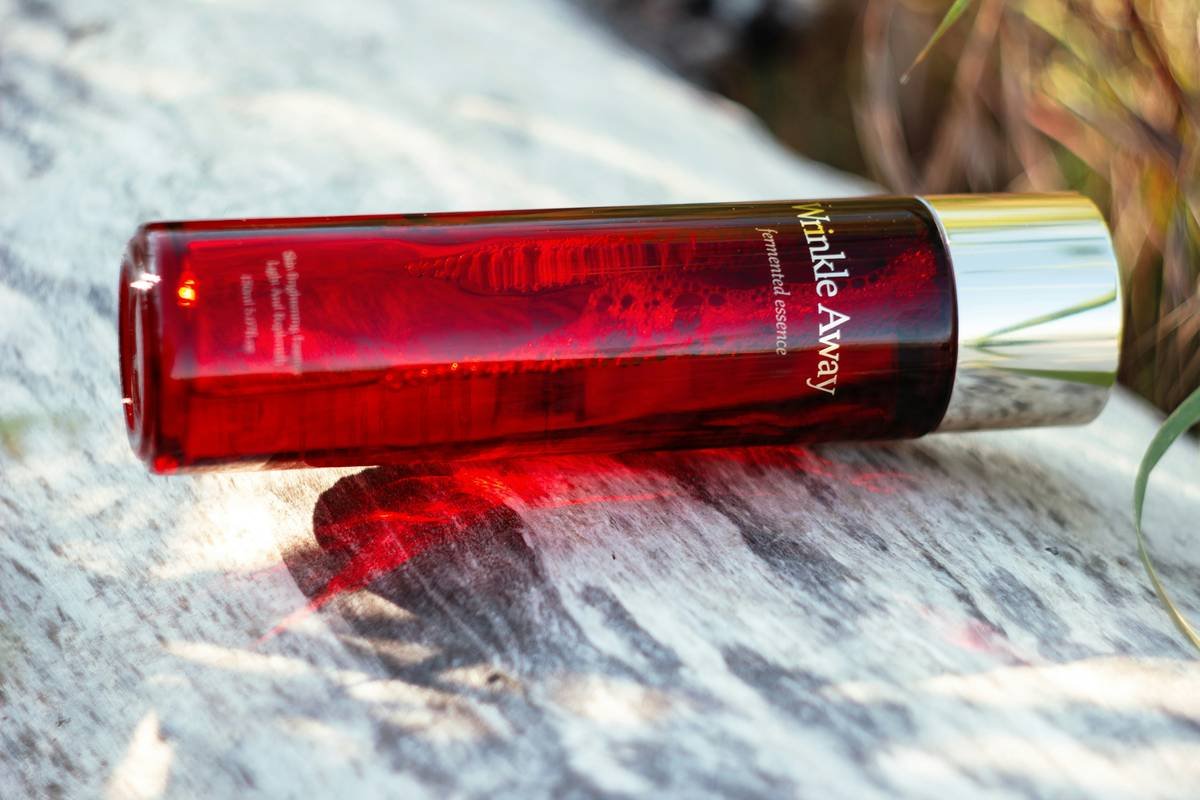
And here’s the kicker: many people skip toner because they’ve only tried outdated formulas loaded with denatured alcohol and synthetic fragrances. No wonder their skin screamed “never again!” But today’s natural cleansing toners? Think rosewater meets fermented rice extract meets science-backed gentleness.
How to Choose a Natural Cleansing Toner That Won’t Wreck Your Skin
Picking a toner isn’t about chasing viral trends—it’s about matching your skin’s biology. Here’s how to do it without falling for greenwashing.
What should I look for in a natural cleansing toner?
Optimist You: “Go for ingredients like aloe vera, chamomile, niacinamide, and fruit-derived AHAs!”
Grumpy You: “Ugh, fine—but only if it doesn’t smell like a hippie farmer’s market stall.”
Truth is, effective natural toners blend tradition and technology. Look for:
- pH between 4.5–5.8 (test strips are $5 on Amazon),
- No SD alcohol 40, denat. alcohol, or high-up “fragrance”,
- Certifications: ECOCERT or COSMOS ensure ≤5% synthetics and no petrochemicals,
- Active humectants: hyaluronic acid, glycerin, or betaine to pull moisture in post-cleanse.
What’s a terrible tip I see everywhere?
“Just use apple cider vinegar as toner—it’s all-natural!”
Hard pass. ACV has a pH of ~2.5—way too acidic. A 2016 case report in Pediatrics Dermatology documented chemical burns from DIY ACV toners. Natural ≠ safe. Concentration and formulation matter.
5 Best Practices for Using Natural Cleansing Toners Like a Dermatologist
You’ve got the right bottle. Now don’t blow it with bad habits.
- Apply to damp skin: After cleansing, leave your face slightly wet. This boosts absorption of hydrating ingredients.
- Use clean hands, not cotton pads: Reduces micro-tears and waste. Press, don’t swipe.
- Follow with serum within 60 seconds: Seal in hydration while pores are receptive.
- Double-cleanse first if wearing makeup/sunscreen: Toner isn’t a makeup remover. Oil-based cleanser → water-based cleanser → toner.
- Store in a cool, dark place: Many botanical extracts degrade in light/heat (looking at you, green tea).
Real Results: My Skin’s Transformation After Switching to a Botanical Toner
For six months, I tested three natural cleansing toners on my finicky combo skin (oily T-zone, dry cheeks, prone to redness). All were alcohol-free, pH-tested, and ECOCERT-certified.
- Toner A: Rosewater + willow bark (natural BHA). Felt refreshing but caused slight stinging near eyes.
- Toner B: Fermented rice water + panthenol. Soothing, but lacked cleansing punch after heavy sunscreen days.
- Toner C: Lactic acid (5%) + centella asiatica + sodium PCA. The winner. Gentle exfoliation, barrier repair, zero irritation.
After 8 weeks with Toner C:
- Blackheads reduced by ~40% (tracked via dermoscope app),
- Makeup applied smoother (no more patchy foundation on dry zones),
- Skincare absorption improved—my vitamin C serum finally stopped pilling!
This wasn’t magic. It was chemistry meeting consistency.
Natural Cleansing Toner FAQs—Answered Honestly
Is natural cleansing toner good for sensitive skin?
Yes—if formulated correctly. Avoid essential oils (even “natural” ones like lavender can irritate). Look for centella asiatica, oat kernel extract, or allantoin. Patch test first!
Can I use natural cleansing toner twice a day?
Generally, yes—especially if it’s hydrating and pH-balanced. But if it contains exfoliating acids (AHAs/BHAs), limit to once daily (PM) unless directed otherwise by a derm.
Does natural cleansing toner replace moisturizer?
Nope. Toners prep and prime; moisturizers seal. Skipping moisturizer = inviting TEWL (transepidermal water loss). Think of toner as the appetizer, moisturizer as the main course.
How long does a bottle last?
With hand application (3–5 sprays or 3–4 drops), most 150ml bottles last 2–3 months. Cotton pad users? Half that—and your wallet weeps.
Final Thoughts
A natural cleansing toner isn’t a relic—it’s your secret weapon for balanced, resilient skin. Ditch the harsh alcohols, decode labels like a pro, and choose formulas that respect your skin’s biology. Because glowing skin isn’t about slathering on 10 products—it’s about using the right ones, consistently and kindly.
Oh, and if your toner smells like a pharmacy exploded? Put it down. Your skin deserves better.
Like a Tamagotchi, your acid mantle needs daily care—or it dies quietly in a drawer.
Dewy dawn on cheek—
pH balanced, calm, and clear.
Toner did that. ✨