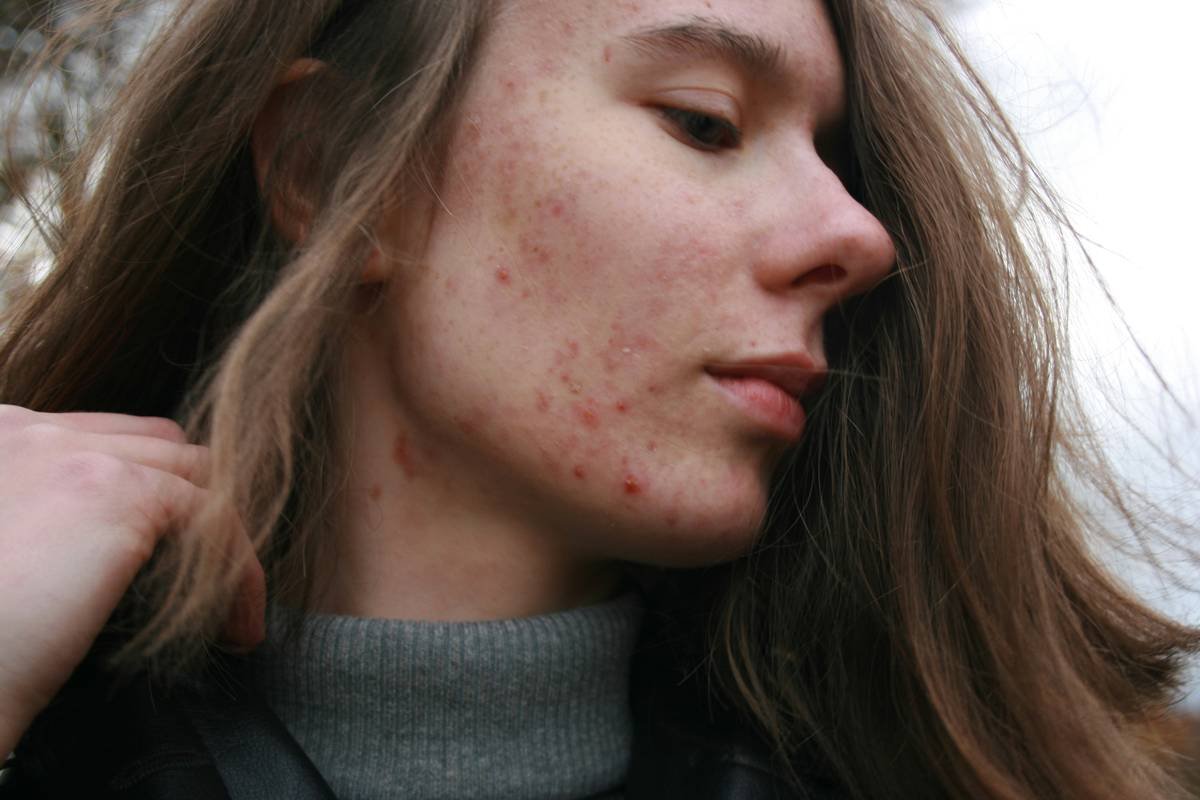
Ever wake up to a surprise zit the size of a lentil—despite washing your face, drinking water like it’s going out of style, and swearing off dairy? You’re not alone. Over 50 million Americans battle acne at any given time (American Academy of Dermatology), and most are slathering on toners that either do nothing… or make things worse.
If you’ve ever doused your face in stinging alcohol-based “clarifying” toner only to end up with flaky red patches and *more* breakouts (raises hand—I once used a drugstore toner so harsh it felt like my pores were screaming), this post is your rescue mission.
Here, you’ll learn:
- Why most “toner for acne” products fail—and what actually works
- How to choose a toner based on your skin type and acne severity
- Dermatologist-recommended ingredients (and sketchy ones to avoid)
- Real-world routines from people who cleared their skin using the right toner
Table of Contents
- Why Does Toner Even Matter for Acne?
- How to Pick the Right Toner for Your Skin Type
- Best Practices for Using Acne-Fighting Toners
- Real People, Real Results: Case Studies
- FAQs About Toner for Acne
Key Takeaways
- Alcohol-heavy toners strip skin, triggering more oil and breakouts—avoid them.
- The best toner for acne contains salicylic acid (0.5–2%), niacinamide, or witch hazel without denatured alcohol.
- Oily, combination, and dry acne-prone skin all need different toner formulations.
- Consistency matters: Use toner twice daily after cleansing for 4–6 weeks to see results.
- Patch test first—what works for your TikTok dermatologist might wreck your barrier.
Why Does Toner Even Matter for Acne?
Let’s clear up a myth: toner isn’t just “fancy water.” In acne-prone skin, it’s your secret weapon for balancing pH, removing leftover debris, and delivering active ingredients deep into pores—if it’s formulated correctly.
Healthy skin sits at a slightly acidic pH of 4.5–5.5. Many cleansers (especially foaming ones) spike your skin’s pH to alkaline levels, creating a breeding ground for C. acnes bacteria—the main culprit behind inflammatory pimples (Journal of Clinical and Aesthetic Dermatology).
A well-formulated toner brings your skin back to its ideal pH while prepping it to absorb serums and treatments more effectively. Skip it, and your $50 acne serum might sit on the surface like oil on water.
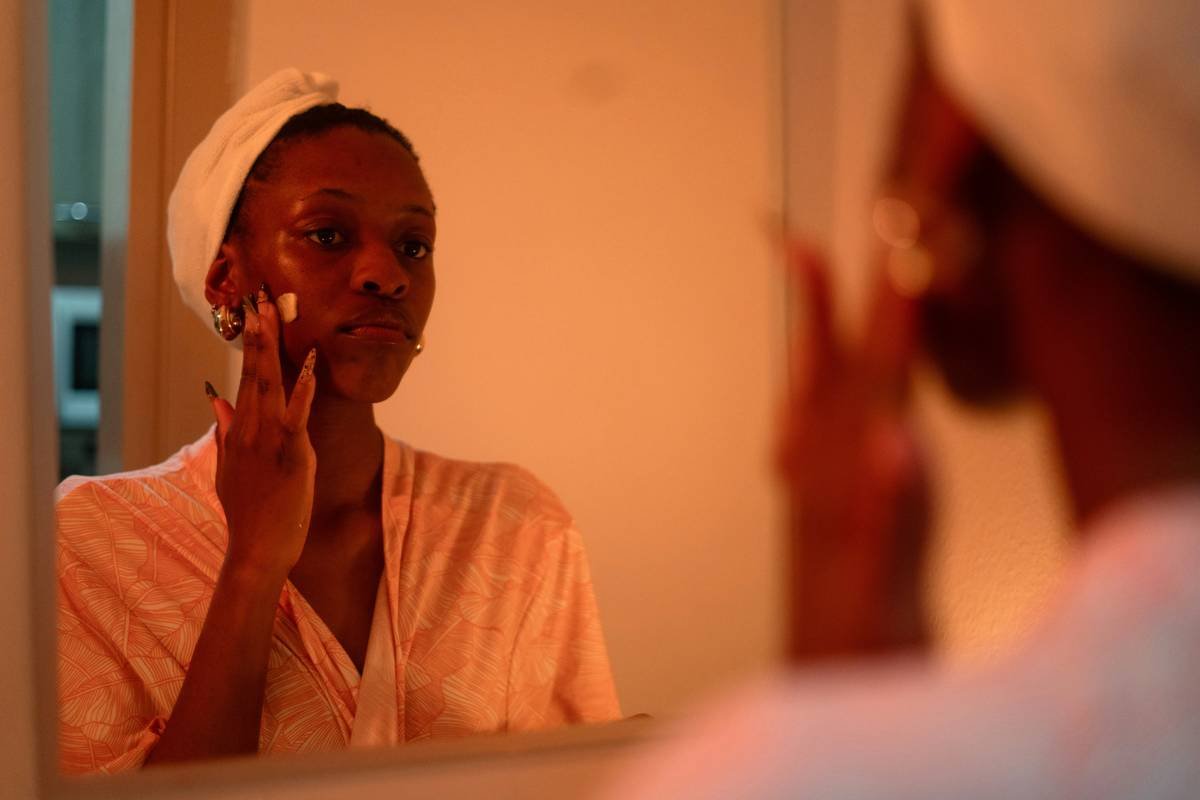
My confessional fail? I once used a viral “natural” toner packed with lemon juice and essential oils because #cleanbeauty. Three days later, my cheeks looked like I’d wrestled a cactus. Moral: “Natural” ≠ safe. Always check ingredient lists—not hashtags.
How to Pick the Right Toner for Your Skin Type
What ingredients should be in a toner for acne?
Look for these science-backed actives:
- Salicylic Acid (BHA): Oil-soluble exfoliant that dives into pores to dissolve sebum and dead cells. Ideal for blackheads and whiteheads. Use at 0.5–2% concentration.
- Niacinamide: Reduces inflammation, regulates oil, and strengthens the moisture barrier. Perfect for red, angry pimples.
- Witch Hazel (alcohol-free): Natural astringent that soothes without overdrying—only if it’s distilled without ethanol.
- Zinc PCA: Controls sebum production and fights bacteria without irritation.
What ingredients should you avoid?
- Denatured alcohol (alcohol denat.)
- Fragrance (synthetic or “natural”)
- Essential oils (tea tree is fine in low doses—but skip peppermint, citrus, or lavender)
- Sodium lauryl sulfate
Grumpy You: “Ugh, fine—but only if it doesn’t smell like a pharmacy exploded.”
Optimist You: “Try Paula’s Choice CLEAR Regular Strength Toner—it’s fragrance-free, has 0.5% salicylic acid, and smells like… nothing. Bliss.”
Match your toner to your skin type
- Oily & acne-prone: Lightweight, BHA-based toner (e.g., COSRX AHA/BHA Clarifying Treatment Toner)
- Dry & acne-prone: Hydrating toner with niacinamide + ceramides (e.g., Krave Beauty Kale-Lalu-yAHA)
- Sensitive & acne-prone: Alcohol-free witch hazel + centella asiatica (e.g., Thayers Alcohol-Free Witch Hazel Toner with Aloe Vera)
Best Practices for Using Acne-Fighting Toners
- Apply after cleansing, before serums. Clean skin = better absorption.
- Use hands or a reusable cotton pad. Avoid disposable pads—they waste product and irritate skin.
- Start slow. If new to BHAs, use every other day for the first week.
- Always follow with moisturizer. Yes, even if you’re oily. Dehydration = rebound oiliness.
- Never layer with retinoids or strong acids. Risk of over-exfoliation and barrier damage.
Terrible tip disclaimer: “Just use vinegar as a DIY toner!” Nope. Apple cider vinegar has a pH of 2–3—way too acidic. It can cause chemical burns. (Yes, ER visits happen over this.)
Rant section: Why do brands still sell “clarifying toners” full of 70% alcohol as if we’re living in 1998? Drying out skin doesn’t cure acne—it triggers more sebum production. Stop gaslighting our pores!
Real People, Real Results: Case Studies
Case Study 1 – Maya, 24, Combination Skin
Struggled with forehead congestion and hormonal chin cysts. Used an alcohol-based toner daily for a year (“It felt clean!”). Switched to Glossier Solution (1.25% glycolic + 0.5% salicylic acid) twice weekly + daily CeraVe Acne Foaming Cream Cleanser. After 6 weeks: 80% fewer blackheads, zero new cysts.
Case Study 2 – Diego, 19, Oily Acne-Prone Skin
Dealt with persistent whiteheads and shine. Tried everything from toothpaste to charcoal masks. Started using Paula’s Choice CLEAR Pore Normalizing Toner AM/PM. After 4 weeks: oil reduced by half, pores visibly smaller. “I finally stopped blotting every hour.”
Both tracked progress with weekly selfies and journaling—consistency and patience were key.
FAQs About Toner for Acne
Can toner alone clear acne?
No. Toner is a supporting player—not the MVP. Pair it with a gentle cleanser, non-comedogenic moisturizer, and targeted treatment (like benzoyl peroxide spot gel).
How long does it take to see results?
Mild acne: 2–4 weeks. Moderate/severe: 6–8 weeks. Skin cell turnover takes ~28 days, so give actives time to work.
Is witch hazel good for acne?
Only if it’s alcohol-free. Most drugstore versions contain ethanol, which damages the skin barrier. Look for Thayers or Dickinson’s “Original Unscented” (though even those contain trace alcohol—patch test first).
Can I use toner if I have cystic acne?
Yes, but avoid high-strength exfoliants. Opt for soothing, anti-inflammatory toners with niacinamide or centella. Cystic acne often needs prescription help (like spironolactone or isotretinoin)—see a derm.
Should I use toner in the morning and night?
Ideally, yes. Morning use removes overnight buildup; nighttime use preps skin for treatments. But if your skin feels tight or irritated, scale back to once daily.
Conclusion
Choosing the right toner for acne isn’t about chasing viral trends—it’s about respecting your skin’s biology. The best toners rebalance pH, deliver proven actives gently, and never compromise your moisture barrier.
Forget the stinging, stripping formulas of the past. Today’s acne-fighting toners are smarter, gentler, and backed by real science. Start with one containing salicylic acid or niacinamide, patch test like your skin depends on it (it does), and pair it with consistent care.
Your future clear-skinned self will thank you—probably while skipping the concealer.
Like a flip phone from 2003, some beauty myths need to stay buried. Sorry, alcohol toners—you had your moment.
Haiku:
Pores breathe deep and calm,
No sting, no burn, just clear skin—
Toner done right wins.