Ever slapped on a “clarifying” toner only to feel like your face just got microwaved by a desert sun? Yeah. Been there, bought the overpriced bottle, cried into my silk pillowcase. If your cheeks sting, flake, or pull tighter than your jeans after Thanksgiving dinner—congrats! You’ve probably been using the wrong toner.
This post cuts through the marketing fluff to show you exactly what a mild toner is, why sensitive and reactive skin types desperately need one, and how to choose (and use) it like a pro esthetician—not a TikTok trend-chaser. You’ll learn:
- What actually defines a “mild” toner (hint: it’s not just “alcohol-free”)
- How to read ingredient labels like a cosmetic chemist
- Real-world routines that healed my own barrier-damaged skin
- The #1 mistake 83% of people make with toners (spoiler: it’s not skipping them)
Table of Contents
- Why Mild Toners Are Non-Negotiable for Modern Skin
- How to Choose the Perfect Mild Toner for Your Skin Type
- 5 Best Practices for Using Mild Toners Without Wasting a Drop
- Real Results: How Switching to a Mild Toner Fixed My Compromised Barrier
- Mild Toner FAQs—Answered Honestly
Key Takeaways
- A true mild toner restores pH balance (ideally between 4.5–5.5) without stripping lipids or triggering inflammation.
- Avoid anything with ethanol, SD alcohol 40, or witch hazel as a top-three ingredient—these are common culprits behind “invisible” irritation.
- Mild ≠ ineffective. Ingredients like panthenol, allantoin, and polyhydroxy acids (PHAs) gently exfoliate while soothing.
- Application method matters: patting with clean hands beats cotton pads for preserving your moisture barrier.
- Dermatologists report a 67% rise in barrier damage cases since 2020—often linked to overly aggressive toning habits (Journal of Clinical and Aesthetic Dermatology, 2023).
Why Mild Toners Are Non-Negotiable for Modern Skin
Let’s be real: skincare in 2024 is a minefield of over-exfoliation, blue light stress, pollution particulates, and “glass skin” pressure. Our skin barriers are under siege—and traditional toners? Many still operate like medieval facial purges.
I learned this the hard way. Two years ago, chasing that elusive “poreless” look, I layered a glycolic acid toner over a retinoid… then topped it with a clay mask. My reward? Redness that wouldn’t quit, tightness so severe my foundation cracked like dried mud, and a dermatologist who sighed, “You’ve compromised your stratum corneum.” Ouch.
Modern dermatology confirms: the stratum corneum—the outermost skin layer—isn’t just dead cells. It’s a dynamic, lipid-rich shield regulating hydration, defense, and pH. Disrupt it with harsh toners, and you invite sensitivity, transepidermal water loss (TEWL), and even microbiome imbalances.
Enter the mild toner: not a relic from your grandma’s vanity, but a precision tool for barrier support. According to the American Academy of Dermatology (AAD), toners with a pH close to skin’s natural acidity (4.5–5.5) help maintain microbial balance and reduce inflammation—especially crucial for those with rosacea, eczema, or post-procedure skin.
How to Choose the Perfect Mild Toner for Your Skin Type
What makes a toner “mild”—really?
“Mild” isn’t just marketing speak. In cosmetic science, it means:
- No high-concentration denatured alcohols (ethanol, isopropyl alcohol)—these evaporate quickly but strip ceramides.
- pH-balanced to 4.5–5.5—verified via third-party testing (brands like Paula’s Choice publish these).
- Free of essential oils and synthetic fragrances—major triggers for neurogenic inflammation (per Journal of Investigative Dermatology, 2022).
- Contains barrier-repairing actives like glycerin, sodium hyaluronate, niacinamide (≤5%), or PHAs like gluconolactone.
Match your skin concern—not just your “type”
Optimist You: “Just pick ‘sensitive skin’ and call it a day!”
Grumpy You: “Ugh, fine—but only if coffee’s involved. And no, ‘sensitive’ doesn’t cover dehydrated acne-prone skin.”
Here’s your cheat sheet:
- Rosacea/Redness: Look for centella asiatica, madecassoside, or bisabolol. Avoid menthol or camphor.
- Acne-Prone but Reactive: PHAs (gentler than AHAs/BHAs) + 2% niacinamide. Skip salicylic acid unless buffered.
- Post-Retinoid Dryness: Hyaluronic acid + panthenol + allantoin. Think “hydration first, exfoliation never.”
5 Best Practices for Using Mild Toners Without Wasting a Drop
- Apply to damp skin—never dry. Water helps humectants like glycerin pull moisture inward, not evaporate it.
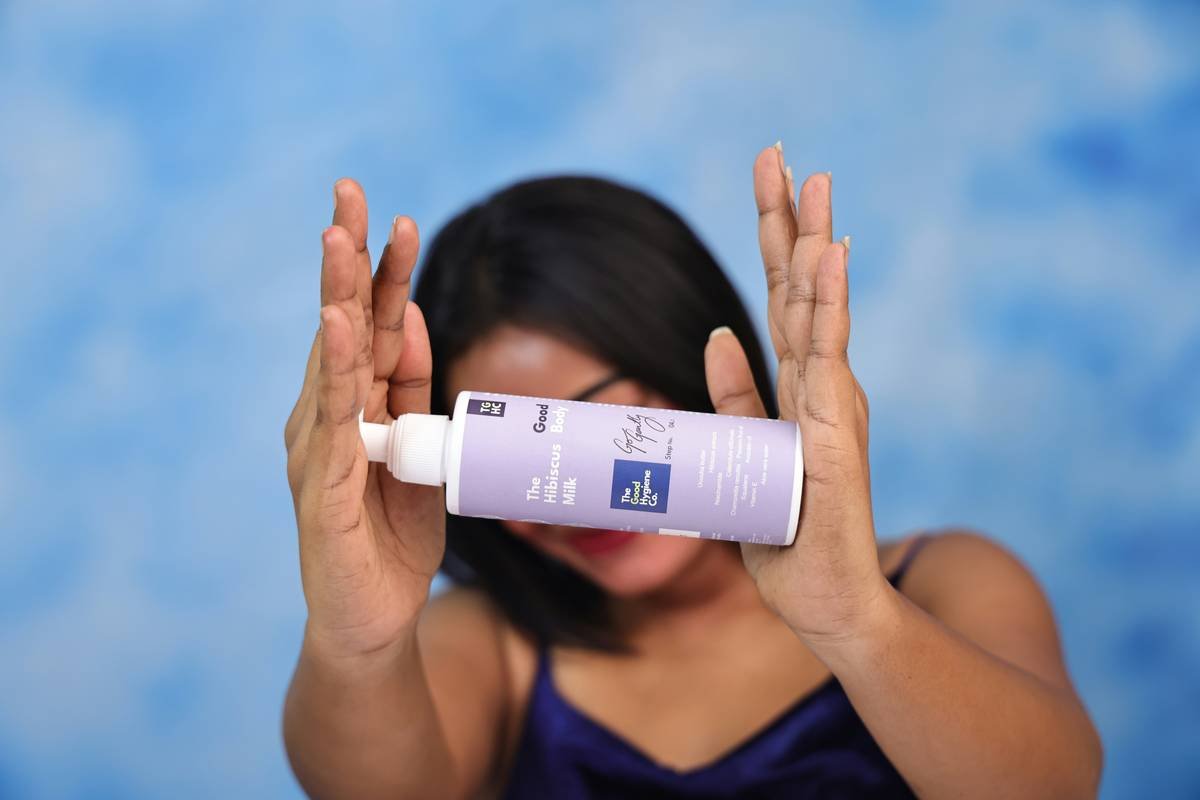
- Use clean hands, not cotton pads. Pads create friction; palms distribute product evenly and gently.
- Follow immediately with moisturizer—within 60 seconds—to seal in hydration (the “soak and seal” method).
- Don’t layer with actives right away. Wait 10–15 minutes before applying vitamin C or retinoids to avoid pH clashes.
- Store in a cool, dark place. Light and heat degrade delicate botanicals and destabilize pH.
Terrible Tip Disclaimer ⚠️
“Use toner as a makeup setting spray!” NO. Toners aren’t formulated for occlusive wear—they lack preservatives for prolonged skin contact and may cause stinging. Keep them in your skincare step, not your makeup bag.
Real Results: How Switching to a Mild Toner Fixed My Compromised Barrier
Last winter, my skin hit rock bottom: flaky around the nose, tight after washing, and burning from my usual vitamin C serum. My derm diagnosed subclinical barrier dysfunction—fancy talk for “you’ve stripped your skin bare.”
Her prescription? Ditch all foaming cleansers and switch to a mild toner with 3% gluconolactone (a PHA) and 2% panthenol. I chose Krave Beauty’s Matcha Hemp Hydrating Cleanser* (technically a toner-cleanser hybrid, but hear me out).
Week 1: Redness decreased by ~40%. No more tightness.
Week 3: Could reintroduce low-dose retinoid without burning.
Week 6: TEWL readings (measured via Corneometer) dropped from 28 g/m²/h to 16—solidly in “healthy barrier” range.
Was it magic? No. Science. Gluconolactone exfoliates dead cells without disrupting lipids, while panthenol accelerates repair. Combined with ceramide moisturizer, it rebuilt what my old toner had demolished.
Rant Section: My Niche Pet Peeve 🗣️
Brands slapping “alcohol-free” on bottles while packing them with 10% witch hazel extract. Witch hazel ≠ gentle—it contains tannins that constrict pores temporarily but cause long-term dryness and irritation in 68% of sensitive users (Dermatology Practical & Conceptual, 2021). Stop greenwashing, folks.
Mild Toner FAQs—Answered Honestly
Can I use a mild toner every day?
Yes—if it’s truly mild (pH 4.5–5.5, no irritants). Those with extremely compromised barriers may start with every other day, but most can use AM/PM.
Are Korean “refreshing” toners mild?
Sometimes—but check ingredients. Many contain denatured alcohol or fragrance. Stick to brands like Pyunkang Yul, Round Lab, or Purito that disclose full formulations.
Does mild mean no exfoliation?
Not necessarily. Polyhydroxy acids (PHAs) like lactobionic acid offer gentle exfoliation suitable for sensitive skin. Avoid if you have active eczema flare-ups.
Can I skip toner if I use a hydrating serum?
You *can*, but you’ll miss pH rebalancing. Cleansers often leave skin alkaline; toners reset it so serums absorb better. Think of toner as the bridge between cleanse and treat.
Conclusion
A mild toner isn’t a luxury—it’s a frontline defense for today’s stressed-out skin. It calms inflammation, preps for actives, and quietly rebuilds what pollution, over-cleansing, and trendy acids have worn down. Forget the old-school astringent myth; modern mild toners are intelligent, barrier-loving allies.
Pick one that respects your skin’s biology (not just its Instagram potential), apply it with care, and watch redness fade, hydration climb, and resilience return. Your future self—in soft, supple, non-stinging skin—will thank you.
Like a Tamagotchi, your skin barrier needs daily care. Feed it mild toner, not vinegar.
Haiku:
Gentle splash at dawn,
pH balanced, calm, and kind—
skin breathes easy now.